

Want to transform your life? Learn how the 1% better every day formula from Atomic Habits compounds into massive success. Practical strategies by creator Levikah Daila.
The concept of getting just : 1% better every day has profound effects on personal growth and achievement.
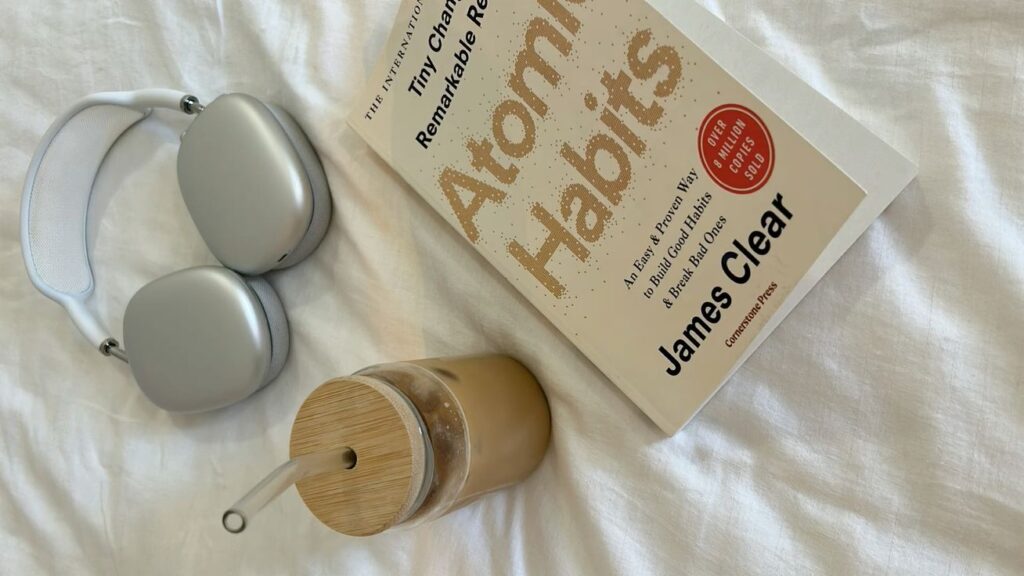
Table of Contents
- Introduction: The Truth About Overnight Success
- Small Habits Create Big Results
- Why We Quit Too Early
- Change Who You Are, Not Just What You Do
- The Four Laws of Behavior Change
- The Two-Minute Rule
- How Creators, Students, and Professionals Can Use This
- Track Your Progress Without Pressure
- Conclusion: Small Steps, Big Change
Introduction: The Truth About Overnight Success
We live in a world that is obsessed with big results.
We look at successful creators, athletes, entrepreneurs, and achievers and think, “They must have done something huge to reach there.” We wait for one perfect idea, one big breakthrough, or one sudden burst of motivation that will completely change our lives.
But real growth usually does not happen like that.
According to James Clear, the author of the bestselling book Atomic Habits, real change does not come from giant leaps. It comes from small decisions, repeated actions, and tiny habits that slowly build over time.
By focusing on how to be : 1% better every day, we can shift our mindset towards continuous improvement.
Hi everyone, I’m Levikah Daila. Today, we are talking about one of the most powerful ideas from Atomic Habits: getting just 1% better every single day.
Incorporating strategies to become : 1% better every day can lead to remarkable changes over time.
If you have been feeling stuck, overwhelmed, or unable to stay consistent with your goals, this idea can completely change the way you look at growth, habits, and productivity.
To truly embrace the idea of : 1% better every day, it’s essential to set realistic and achievable goals.
Each action taken towards being : 1% better every day contributes to your overall growth.
Recognizing the importance of being : 1% better every day can provide motivation during challenging times.
It’s crucial to celebrate small wins on your journey to becoming : 1% better every day.
To stay committed, remind yourself of your goal to be : 1% better every day.
Small Habits Create Big Results
Visualizing your success as being : 1% better every day can enhance your focus and determination.
As you begin to see progress, the habit of being : 1% better every day becomes more ingrained.
Understanding the value of being : 1% better every day can keep you motivated even in tough situations.
Each small effort to be : 1% better every day counts, even if they seem insignificant at first.
How to Get 1% Better Every Day
It is easy to ignore small improvements.
Reading two pages of a book, doing one extra push-up, writing for five minutes, or editing a small part of a video may not feel life-changing in the moment. It feels too small to matter.
But that is exactly where most people go wrong.
Remind yourself to focus on being : 1% better every day, and you will witness substantial change.
Every day offers a new chance to be : 1% better every day; embrace that opportunity.
Small habits may not give instant results, but they quietly build your future. Every small action is like a vote for the person you are becoming.
The journey of self-improvement is rooted in the commitment to be : 1% better every day.
Striving to be : 1% better every day can keep you aligned with your goals.
One healthy meal will not make you fit. One focused study session will not make you a topper. One video will not make you a successful creator.
Think about how being : 1% better every day can improve your work and personal life.
Adopting the mindset of being : 1% better every day can elevate your performance.
Focus on the journey of becoming : 1% better every day, not just the destination.
Engage with the process of being : 1% better every day for lasting transformation.
But when these small actions are repeated again and again, they start creating visible results.
That is why habits are so powerful. They may look ordinary in the beginning, but over time, they create extraordinary change.
Why We Quit Too Early
Have you ever started a habit and stopped after a few weeks because you could not see results?
Maybe you started working out, learning a new skill, posting content, reading daily, or studying consistently. In the beginning, you were motivated. But after some time, when the results were not visible, you felt like nothing was happening.
This is where most people give up.
James Clear calls this the Plateau of Latent Potential.
Progress does not always show up immediately. You may be putting in effort, but the results are still hidden. It feels like your work is not making a difference, but in reality, it is slowly building beneath the surface.
The problem is that we expect progress to be instant. We want to see results quickly. But habits take time to show their real impact.
Your effort is not wasted. It is being stored.
Every small action adds up. Every repetition makes you stronger. Every day you show up, you move closer to the breakthrough you cannot see yet.
Change Who You Are, Not Just What You Do
Most people try to build habits by focusing only on the result.
They say things like:
“I want to lose weight.”
“I want better marks.”
“I want 10,000 subscribers.”
“I want to write a book.”
Goals are important, but they are not enough.
James Clear explains that the strongest habits are identity-based habits. This means instead of only focusing on what you want to achieve, you focus on who you want to become.
Instead of saying, “I want to write a book,” start thinking, “I am a writer.”
Instead of saying, “I want to get fit,” think, “I am someone who takes care of my body.”
Instead of saying, “I want better marks,” think, “I am a focused learner.”
When your habits match your identity, they become easier to follow. You are no longer forcing yourself to act. You are simply behaving like the person you believe you are becoming.
Every small habit becomes proof of your new identity.
The Four Laws of Behavior Change
James Clear gives a very simple framework to build good habits and break bad ones. He calls it the Four Laws of Behavior Change.
1. Make it obvious
Your habit should be easy to notice.
If you want to read every day, keep your book on your desk. If you want to drink more water, keep a bottle near you. If you want to study, keep your notebook open and ready.
Your environment should remind you of the habit.
2. Make it attractive
Connect your habit with something you enjoy.
For example, you can listen to your favorite calm music while cleaning your desk. You can make your study setup look nice. You can use a beautiful tracker to mark your progress.
When a habit feels attractive, you are more likely to repeat it.
3. Make it easy
This is one of the most important rules.
Do not make your habit too difficult in the beginning. Start with the easiest version of it.
If you want to read daily, start with one page. If you want to exercise, start with two minutes. If you want to write, start with one sentence.
The goal is not to do something perfect. The goal is to show up.
4. Make it satisfying
Give yourself a small feeling of progress.
Tick a checkbox. Mark the day on a habit tracker. Write “done” in your notes. Celebrate the fact that you showed up.
Your brain loves visible progress. When a habit feels satisfying, you want to repeat it.
The Two-Minute Rule
One of the best ideas from Atomic Habits is the Two-Minute Rule.
The rule is simple: when you start a new habit, make it take less than two minutes.
For example:
“Read for 30 minutes” becomes “Read one page.”
“Do a full workout” becomes “Take out my yoga mat.”
“Write a blog” becomes “Write the first sentence.”
“Study for two hours” becomes “Open the book and read one paragraph.”
This removes pressure.
Most people fail because they try to start too big. They want the perfect routine, perfect timing, perfect motivation, and perfect results. But habits do not need to start big. They need to start consistently.
Once you begin, momentum usually follows.
The hardest part is not doing the habit. The hardest part is starting it.

How Creators, Students, and Professionals Can Use This
The 1% rule can be applied to almost every area of life.
For content creators
Every effort to be : 1% better every day reinforces your commitment to self-improvement.
Do not try to improve everything at once.
You do not need to master scripting, editing, lighting, confidence, storytelling, thumbnails, and audio in one day.
Empower yourself by embracing the idea that you can be : 1% better every day.
Improve one thing at a time.
Ultimately, the goal is to keep aiming for being : 1% better every day in all aspects of your life.
In conclusion, remember to strive for : 1% better every day, as it leads to significant change.
In one video, work on your hook. In the next video, improve your lighting. After that, focus on better sound. Then work on your editing.
Small creative improvements make your content better over time.
For students
Do not wait until the night before the exam.
Study a little every day. Revise one topic. Make a few flashcards. Read one page. Practice five questions.
Small study sessions feel simple, but they reduce stress and build real understanding.
Consistency is more powerful than last-minute pressure.
For professionals
Make your work easier to start.
Clear your desk at the end of the day. Keep your important files ready. Plan your top task before sleeping. Reduce the friction between you and your work.
When your environment supports your goals, discipline becomes easier.
Track Your Progress Without Pressure
Tracking your habits gives you visual proof that you are showing up.
You can use a calendar, a habit tracker, a checklist, or even a simple notebook. Every time you complete your habit, mark it.
That small tick feels satisfying. It reminds you that you are making progress, even when results are not visible yet.
But remember, consistency does not mean perfection.
Life will happen. You may miss a day. You may feel tired. You may break your streak.
That is okay.
James Clear gives a very powerful rule: never miss twice.
Missing one day is normal. Missing two days can become a pattern.
So if you skip once, do not overthink it. Just return the next day. Even if you do the habit badly for one minute, it is still better than completely giving up.
The goal is not to be perfect. The goal is to keep returning.
Conclusion: Small Steps, Big Change
The secret to growth is not changing your entire life overnight.
It is choosing one small action and repeating it until it becomes part of who you are.
You do not need a perfect plan. You do not need extreme motivation. You do not need to transform everything at once.
You just need to get 1% better today.
Read one page. Write one sentence. Practice one skill. Clean one corner. Take one small step.
Because over time, those small steps become your habits. Your habits become your identity. And your identity shapes your future.
So here is the question:
What is one tiny habit you can start today that takes less than two minutes?
Drop it in the comments and let’s grow together.