
We’ve all been there: sitting in a meeting or chatting over coffee, listening to a brilliant young professional whose every third word seems to be “like,” “literally,” or “you know”. It’s easy to write this off as a lack of focus or a shrinking vocabulary, but linguists are actually painting a much deeper picture. These verbal habits aren’t just empty noise; they’re doing some heavy social and psychological lifting. Whether you’re trying to polish your own public speaking or bridge a generational gap at work, let’s unpack why these filler words happen—and how you can trade them in for powerful, intentional pauses.
The Science Behind Filler Words: Why Do We Use Them?
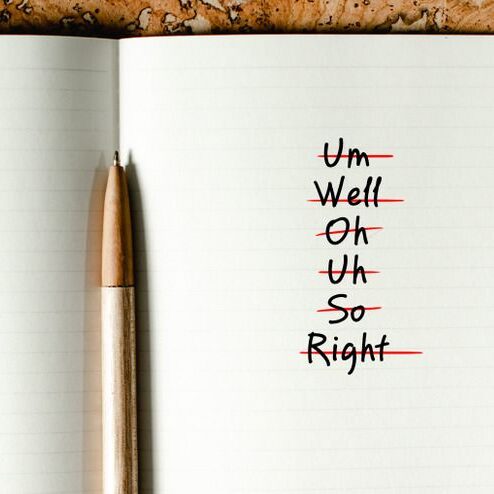
Linguists refer to these expressions as discourse markers or crutch words—essentially vocalized placeholders that slide into our sentences without carrying core literal meaning. Common culprits include:
Verbal Crutches: ‘Um’, ‘uh’, ‘er’, ‘ah’.
Word Fillers: ‘Like’, ‘literally’, ‘basically’, ‘honestly’, ‘actually’.
Phrase Fillers: ‘You know what I mean’, ‘at the end of the day’, ‘to be fair’.
When we look at why Gen Z leans on these habits so heavily, it usually boils down to four main drivers:
1. Real-Time Cognitive Processing Speed
Growing up in a lightning-fast, digital-first world means Gen Z’s brains process short-form information at incredible speeds, often outpacing how fast they can actually articulate the words. Words like “like” act as microscopic speed bumps, giving the brain a split second to catch up without breaking the conversational flow.
2. Softening Tone & Mitigating Conflict
Direct statements can sometimes land a bit too harshly in modern workspaces. Prefacing thoughts with “kind of” or “I feel like” acts as a linguistic cushion, signaling empathy, warmth, and collaborative openness.
3. Digital & Social Media Influence
Social media platforms like TikTok, YouTube, and Instagram reward raw, unscripted authenticity. Creators use casual phrasing to sound approachable, and that digital reflex naturally bleeds into real-world speech.
4. Fear of Interruption (Holding the Floor)
In fast-moving group chats or meetings, a moment of absolute silence is often mistaken for a finished thought. Slipping in a filler word tells the room, “Hold on, I’m still building this idea,” keeping others from cutting in prematurely.
The Cost of Overusing Filler Words in Professional Settings
While casual chats are a safe space for laid-back language, leaning too heavily on filler words during a high-stakes pitch, interview, or team sync can unintentionally work against you:
Reduced Perceived Authority: Frequent verbal crutches can make your sharpest, best-researched ideas sound hesitant or uncertain.
Audience Fatigue: Listeners end up spending cognitive energy tracking and filtering out repetitive words instead of absorbing your actual point.
Weakened Impact: Starting a strong conclusion with “basically” or “I guess” instantly deflates its power.
5 Practical Drills to Eliminate Filler Words and Speak with Power
You don’t have to overhaul your entire personality to sound more authoritative; you just need a few practical habits to retrain your speech patterns.
Drill 1: Embrace the Power of the 2-Second Pause
Swapping a filler word for complete silence is your secret weapon. A two-second pause before diving into an answer projects immense confidence, gives your mind time to organize, and hooks your listeners’ attention.
Drill 2: The ‘Stop & Breathe’ Method
Whenever you feel the impulse to say ‘like’ or ‘um’, train yourself to take a quick silent breath in through your nose instead. Mouth closure prevents accidental vocalization of crutch sounds.
Drill 3: Record and Audit 60-Second Audio Notes
The next time you feel an “um” or “like” bubbling up, catch it and take a quick, silent breath through your nose instead. Closing your mouth physically blocks those vocalized crutch sounds.
Drill 4: Shorten Your Sentences
Fire up your phone’s voice recorder and talk about a random topic or a mock interview question for one minute flat without editing. Listen back and tally your fillers—awareness alone solves 80% of the habit.
Drill 5: Practice Verbal Modulation and Slow Your Speed
Dialing back your overall speaking tempo by just 10% to 15% relieves the rush that forces your brain to grab for filler words, leaving room to play with vocal rhythm and keep listeners hooked.

Summary Matrix: Casual Speech Habits vs. Professional Speaking
| Dimension | Casual Gen Z Speech Habit | High-Impact Professional Alternative |
| Processing Thought | Fills silence with ‘like’, ‘basically’, or ‘um’ | Uses a deliberate 2-second silent pause |
| Softening Opinions | Prefaces thoughts with ‘I feel like’ or ‘kind of’ | States points directly: ‘My recommendation is…’ |
| Holding the Floor | Stretches words (‘sooo’, ‘you know’) | Maintains eye contact and continues after a breath |
| Sentence Structure | Rambling run-on sentences with connectors | Short, structured sentences ending with confidence |
Frequently Asked Questions (FAQs)
Q1: Are filler words completely bad in public speaking?
No. Occasional filler words make speech sound natural and conversational. However, when they recur every few seconds, they distract from your core message and diminish speaker authority.
Q2: Why is ‘like’ the most common filler word among young speakers?
‘Like’ serves multiple linguistic roles in modern spoken English: as an approximator (‘about 10 minutes’), a quotative (‘she was like…’), and a hedge to soften direct statements. Its versatility makes it the most frequent crutch word.
Q3: How long does it take to eliminate filler words?
With consistent self-auditing (recording 1 minute daily) and practicing intentional pauses, most speakers see noticeable improvements within 2 to 3 weeks.
Conclusion
The overuse of filler words among Gen Z is not a flaw in intelligence or vocabulary; it is a byproduct of rapid mental processing, social media communication styles, and a desire to soften interpersonal interactions.
By recognizing these underlying patterns and replacing verbal crutches with deliberate silent pauses, young speakers can transform their natural expressiveness into commanding, highly influential communication.
Which filler word do you catch yourself using most often? Share your thoughts in the comments below, and subscribe to our newsletter for more actionable public speaking and communication guides!