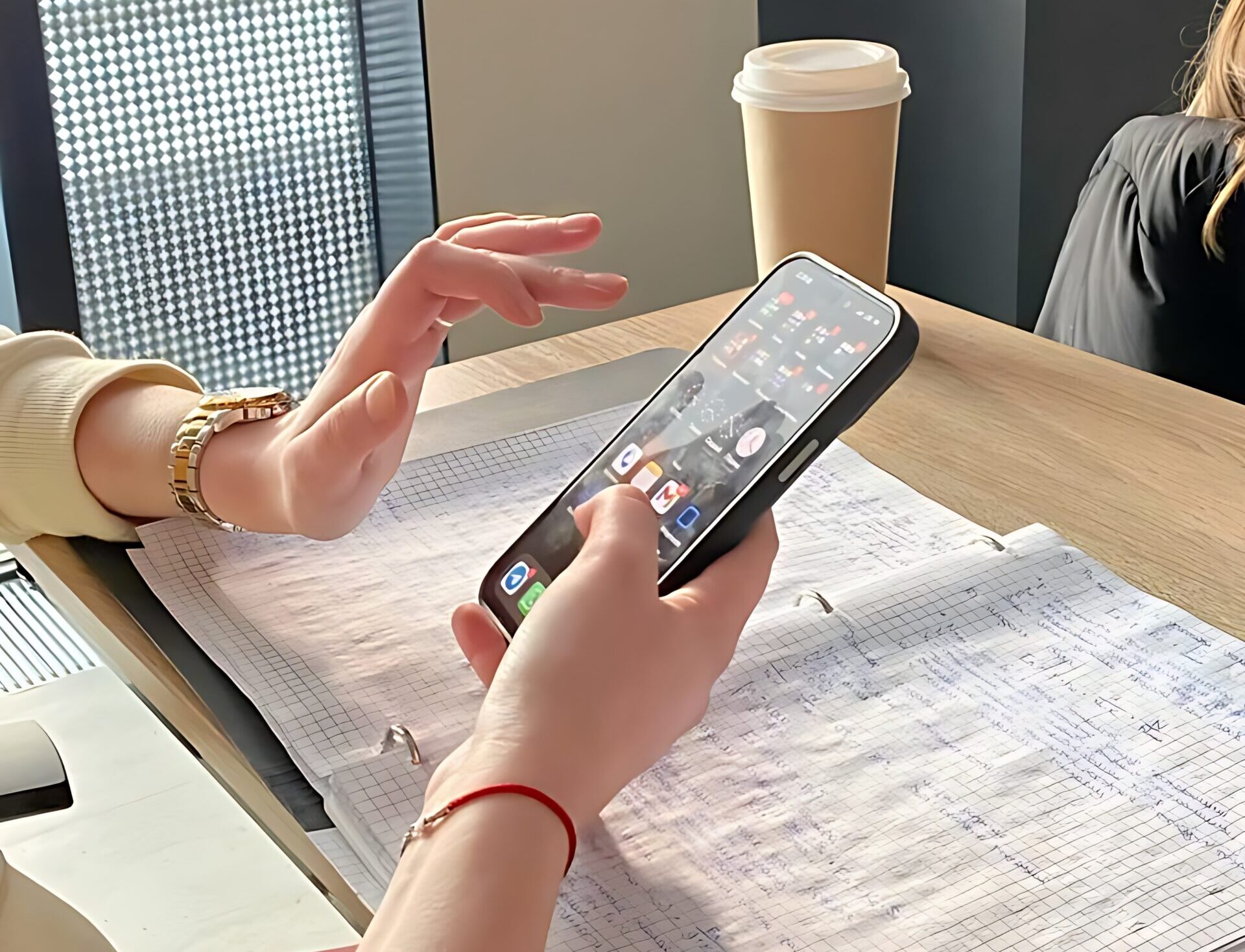

It starts with a harmless five-minute study break. You open a short-form video app, watch one reel, then another, and suddenly three hours vanish into thin air. By the time you put your phone down, you can barely remember three things you watched. Your neck hurts, your eyes feel tired, and a heavy cloud of brain fog settles over your evening.
Nobody intentionally decides to waste hours mindlessly scrolling. Yet millions of students, creators, and professionals find themselves trapped in this exact cycle every single day.
Learning how to stop doomscrolling is not about throwing away your smartphone or living an extreme digital detox lifestyle. Technology is essential for research, learning new skills, communicating, and building a modern career. The goal is not to eliminate screens entirely. The goal is to regain intentional control over your attention so technology expands your life instead of shrinking it down to the size of a five-inch screen.
In this actionable guide, we break down why doomscrolling happens, how it affects your brain and physical posture, and four practical frameworks to reclaim your time without quitting social media.
Table of Contents
The Science Behind Doomscrolling and the Information Black Hole
Our generation has access to more information than any point in human history. Paradoxically, after processing hundreds of short videos in a single sitting, most people experience severe retention fatigue. This cognitive phenomenon is known as the Information Black Hole.
When you swipe rapidly through fashion clips, drama breakdowns, celebrity updates, and memes, your brain receives endless micro-hits of dopamine without sufficient time to process or store the data. The short-term memory gets overloaded, leaving you feeling mentally exhausted despite consuming hours of light content.
The Physical Cost: Text Neck Syndrome
Doomscrolling affects more than just your focus and screen time report. It physically strains your spine.
When you bend your head forward to look down at a smartphone, the effective weight on your neck increases significantly. For every inch your head tilts forward, the stress placed on your cervical spine doubles. Over time, this leads to Text Neck Syndrome, causing shoulder tightness, chronic neck pain, and fatigue.
Redesign Your Environment: 4 Rules for Intentionally Managing Screen Time
Willpower is a limited resource. Relying solely on self-discipline to resist algorithms designed by world-class software engineers is a losing battle. To change your habits, you must redesign your environment.
1. Give Scrolling an Appointment
Instead of opening social feeds every time you encounter five seconds of boredom, establish designated scrolling windows in advance. For instance, schedule a 20-minute window right after dinner or after returning from school.
Set a physical timer before opening the app. When the timer rings, close the feed immediately. This shifts scrolling from a mindless default action into an intentional choice.
2. Create Environmental Friction
Friction is the distance between you and a bad habit. Reduce distractions by configuring your device settings thoughtfully:
• Turn off non-essential app notifications that steal your focus.
• Move distracting social apps out of your home screen or into hidden folders.
• During study or deep work blocks, place your phone in another room or inside a drawer.
When your phone rests next to your textbook, your brain spends continuous energy resisting temptation. Moving it across the room requires making only one good decision instead of negotiating fifty times an hour.
3. Protect the First and Last 30 Minutes of Your Day
Establish a strict no-scroll zone for the first 30 minutes after waking up and the last 30 minutes before going to sleep. Starting your day by absorbing other people’s lives fills your mind with reactive thoughts before you have focused on your own goals.
4. Replace, Don’t Just Remove
If you tell yourself ‘I will not scroll today’ without a replacement activity, your brain experiences an immediate gap. Build an offline fun list beforehand so you always have engaging alternatives ready:
• Read 10 pages of a book or keep a personal daily journal.
• Call an old friend or spend un-distracted time with family.
• Engage in short physical activities like badminton, cycling, or a quick evening walk.
• Explore mini adventures like visiting a new cafe, trying a different walking route, or picking up a weekly hobby.
Shift Your Mindset: Create Before You Consume
Technology itself is neutral. The key is shifting your position from a passive consumer to an active creator.
Instead of spending hours watching others accomplish things, use modern digital tools to build your own skills. Learn how to leverage artificial intelligence tools, edit video content, practice coding, or study personal finance. Modern technology grants immediate access to high-income skills that previously took years to acquire.
You can also use social media constructively to share your ideas, document your personal growth, and build meaningful networks. Technology should expand your world, not contract it into a phone screen.
Summary: Doomscrolling vs. Intentional Screen Habits
Here is a side-by-side comparison of passive screen habits versus an intentional digital lifestyle:
| Dimension | Passive Doomscrolling | Intentional Digital Routine |
| Trigger | Boredom or stress impulse | Scheduled scrolling appointment |
| Environment | Phone right next to work setup | High friction; phone kept in another room |
| Morning/Night | Immediate social media check | 30-minute quiet zone for focus and rest |
| Focus Outcome | Information black hole & brain fog | Active creation, learning AI tools & real skills |
Recommended Resources
Take your personal productivity to the next level with these resources:
• The Aligned Planner & Student Guides: Organize your daily schedule and goals effectively on
👉 https://levikahdaila.com/resources-levikah-daila/
Frequently Asked Questions (FAQs)
Q1: Do I need to completely delete Instagram or social media apps to break the habit?
No. Deleting apps completely often leads to a cycle of re-installing them later. Instead, build intentional habits by turning off notifications, setting strict time windows, and moving apps away from your home screen.
Q2: How can I avoid opening my phone right after waking up?
Charge your smartphone away from your bed or outside your bedroom at night. Use a traditional physical alarm clock instead of your phone so you do not reach for your screen the moment you wake up.
Q3: What should I do if I relapse and spend hours scrolling?
Avoid feeling guilty or trying to overcompensate. Recognize that habit building takes time, reset immediately, and focus on protecting your next upcoming 30-minute window.
Conclusion
You do not need endless willpower to break free from passive scrolling. You simply need an offline life that feels more engaging and higher resolution than your phone screen.