

If you are looking for practical ways on how to avoid procrastination as a student, you are definitely not alone. Every student faces moments where opening a textbook feels like climbing a mountain, leading to endless scrolling on social media or sudden urges to clean your room instead.
Table of Contents
- Why Students Procrastinate: The Real Reason
- Procrastination vs. Productivity Quick Fixes
- Strategy 1: Use the 5-Minute Rule to Get Started
- Strategy 2: Break Big Projects into Micro-Tasks
- Strategy 3: Use the Pomodoro Technique for Short Sprints
- Strategy 4: Fix Your Environment
- Strategy 5: Tackle Your Hardest Task First
- Strategy 6: Aim for Progress, Not Perfection
- Strategy 7: Get an Accountability Partner
- Recommended Resources
- Frequently Asked Questions (FAQs)
- Conclusion
Procrastination is rarely a matter of being lazy or just having poor time management. Instead, it is usually a reaction to feeling overwhelmed, fearing you won’t do well, or simply not knowing where to start. Learning how to avoid procrastination as a student requires moving away from avoiding difficult feelings and moving toward simple, clear habits.
In this guide, we will break down why we put things off and share 7 practical, battle-tested strategies to build deep focus, beat study stress, and hit your academic goals consistently.
Why Students Procrastinate: The Real Reason
Let’s be honest: before we fix the habit, we have to talk about why we actually do it. Procrastination isn’t some deep character flaw, and it definitely doesn’t mean you’re just lazy. Most of the time, it’s purely about mood management.
When you’re staring down a massive paper or a terrifying exam, your brain panics a little. It wants to protect you from stress, self-doubt, or the miserable feeling of not being “good enough.” So, to dodge those nasty feelings, you grab the easiest escape route available scrolling TikTok, reorganizing your desk, or falling down a YouTube rabbit hole.
Understanding that you’re just trying to escape short-term stress changes everything. It takes away the guilt and lets you deal with what’s actually going on.
Procrastination vs. Productivity Quick Fixes
| Common Trigger | Procrastination Reaction | Practical Solution |
| Overwhelming Syllabus | Freezing up and closing books | Break tasks down into tiny steps |
| Fear of Low Marks | Delaying writing the first draft | Focus on progress over perfection |
| Digital Distractions | Endlessly scrolling social media | Clean up your study space & use app blockers |
| Low Energy / Fatigue | Binge-watching shows instead | Work in short focus sprints with breaks |
Strategy 1: Use the 5-Minute Rule to Get Started
The hardest part of studying is almost always taking that initial step. When figuring out how to avoid procrastination as a student, the 5-Minute Rule is your best shortcut.
Promise yourself that you will work on a task for just five minutes. If you still want to stop after five minutes, give yourself full permission to stop. Because getting started is usually the biggest obstacle, taking that tiny first step removes the stress. Most of the time, once you start, momentum takes over and you keep going naturally.
Strategy 2: Break Big Projects into Micro-Tasks
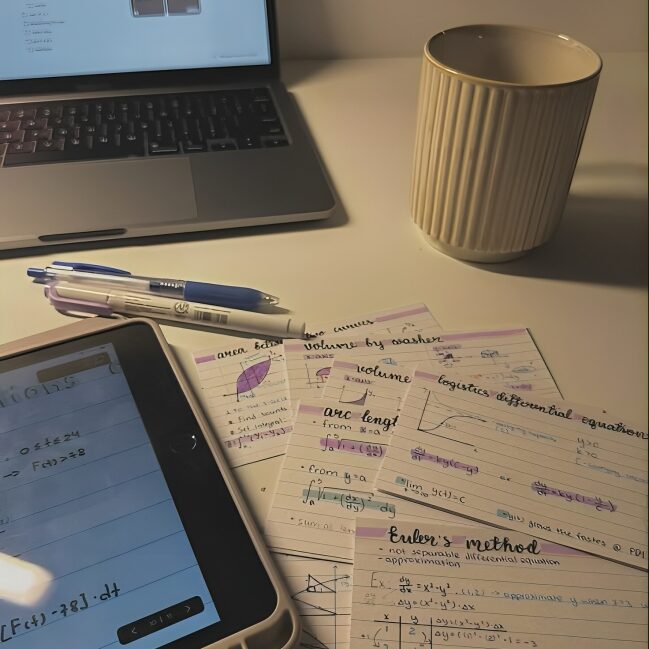
Writing “Study Chemistry” on your to-do list feels overwhelming because the goal is too big and vague. Effective strategies rely on breaking tasks down into tiny, actionable steps.
Instead of writing “Study Chemistry,” try: “Read pages 42 to 45” or “Solve 3 practice questions.” Small tasks feel easy to complete, eliminating the freeze response caused by big assignments.
Strategy 3: Use the Pomodoro Technique for Short Sprints
Trying to focus for hours straight quickly leads to burnout. The Pomodoro Technique keeps your study sessions manageable by breaking them into quick blocks followed by brief rests:
- Work with full focus for 25 minutes.
- Take a strict 5-minute break away from screens.
- Repeat this 4 times, then take a longer 20 to 30-minute break.
This structure helps your brain stay engaged without getting exhausted.
Strategy 4: Fix Your Environment
Relying purely on willpower to ignore your phone is a losing battle. A key part of how to avoid procrastination as a student is setting up your surroundings so distractions are hard to reach.
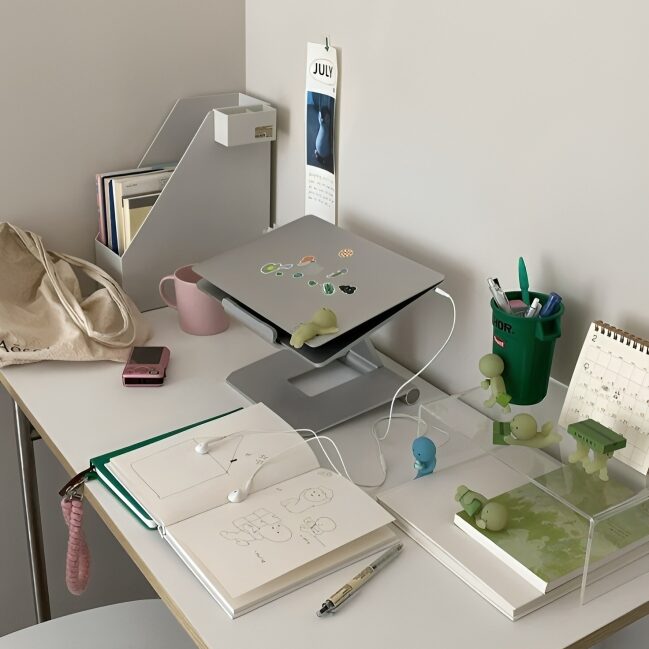
Put your phone in another room or turn on “Do Not Disturb” mode. You can also use website blockers during study blocks. A tidy, dedicated workspace signals to your mind that it is time to focus.
Strategy 5: Tackle Your Hardest Task First
“Eating the frog” simply means getting your most challenging or annoying task out of the way first thing in the day. As the day goes on, your energy drops, making it much easier to procrastinate.
Finishing your hardest study task early gives you an instant win. The rest of your work feels much easier, giving you momentum for the rest of the day.
Strategy 6: Aim for Progress, Not Perfection
Perfectionism is a major cause of procrastination. Expecting your first essay draft or study notes to be flawless creates unnecessary pressure, causing you to put off starting altogether.
Give yourself permission to write a messy first draft. Getting something down on paper even if it isn’t great yet is much easier than staring at a blank page. You can always edit later.
Strategy 7: Get an Accountability Partner
Studying entirely on your own makes it easy to slide into distraction. Adding a bit of external accountability keeps you on track.
Join a quiet study group, use virtual co-working platforms, or share your daily study targets with a classmate. Knowing someone will check in on your progress gives you that extra push to execute.
Recommended Resources
- External Resource: Explore Stanford University’s growth mindset research: Stanford Mindset Research
- Internal Resource: Read our guide on building daily focus: AI Productivity Tools for Students
Frequently Asked Questions (FAQs)
Q1: What is the fastest tip to stop procrastinating?
The 5-Minute Rule is the fastest approach. Commit to working for just 5 minutes with no pressure getting over the starting hurdle is usually all it takes.
Q2: Is procrastination a sign of laziness?
No. Procrastination is an emotional response to stress, fear of failure, or feeling overwhelmed not a lack of effort or caring.
Q3: How do I stop checking my phone while studying?
Keep your phone in a separate room, turn off non-essential notifications, or use app blockers during your planned study sessions.
Conclusion
Learning how to avoid procrastination as a student isn’t about becoming a perfect machine overnight. It’s about setting up realistic systems that make starting easy and getting distracted harder. By breaking tasks into micro-steps, using focus sprints, and tackling tough tasks first, you can break the delay cycle and hit your academic goals with far less stress.